
Reconciliation in Action.
A Bold Vision for a Better Future.
SCO’s Wehwehneh Bahgahkinahgohn Project Reimagines Iconic Hudson’s Bay Heritage Building After HBC Governor Makes Historic Gift

A Bold Vision for a New Future
SCO is transforming the iconic Hudson’s Bay Company (HBC) heritage building in downtown Winnipeg. SCO has a visionary plan to turn the building into a space for economic and social reconciliation.
The Wehwehneh Bahgahkinahgohn project is the largest redevelopment of an historic building in Manitoba. Its revitalization will help to revive Winnipeg’s downtown.
Read more about the project here.

Save the Date: Binasi Economic Development Forum in March 2027
Binasi is back!
SCO and Southern Chiefs’ Economic Development invite you to register for Binasi 2027.
Join us on March 3 and 4, 2027, at the RBC Convention Centre in Winnipeg, Treaty One Territory.
The forum will feature presentations, inspiring speakers, a trade show, networking opportunities, and the opportunity to connect, learn, and showcase First Nations economic development.
To register or to sponsor the event, click here.

SCO Honours First Nations Veterans
SCO is honouring First Nations Veterans, sharing their stories, and recognizing their service and sacrifices leading up to Indigenous Veterans Day on November 8 and Remembrance Day on November 11.
Through our First Nations Veterans Program, SCO advocates for First Nations Veterans and helps connect them with support and resources.
Visit and contribute to our Veterans’ Wall of Honour, which recognizes Veterans from SCO’s 33 Anishinaabe and Dakota member Nations.
Visit our Veterans Events page to find events and opportunities to honour those who served.
Learn more about SCO’s work to honour First Nations Veterans.
Interested in events? Visit our events webpage here!


Southern Chiefs' Organization
(opens in a new tab)SCO represents 33 Anishinaabe & Dakota Nations in what is now southern Manitoba https://scoinc.mb.ca/

MEET KENDALL CHARTRAND: SCO COMMUNITY JUSTICE WORKER
The Southern Chiefs’ Organization (SCO) is recognizing Restorative Justice Week by highlighting our Community Justice Workers and the important work they do alongside SCO member Nations.
Our Community Justice Workers play an important role in supporting citizens and families.
They help bring culturally grounded approaches to justice that prioritize healing, understanding, and community.
Today, we are introducing you to Kendall Chartrand of Skownan First Nation. He is one of our Community Justice Workers.
Kendall has been supporting Ebb and Flow First Nation, O-Chi-Chak-Ko-Sipi First Nation, Skownan First Nation, and Tootinaowaziibeeng Treaty Reserve since 2024.
In his role, he works closely with community members, leadership, and service providers to help people navigate the justice system.
He is committed to culturally appropriate approaches to justice, strengthening community relationships, and helping people access the supports and resources they need.
Outside of his work with SCO, he enjoys spending time outdoors hunting and fishing with his wife and two daughters, as well as coaching youth hockey.
One experience that stands out in his journey was being invited to take part in a cultural camp for youth in one of the Nations he supports. Spending time on the land and sharing hunting and outdoor skills with the next generation was an incredibly rewarding experience. This was an opportunity for Kendall to share knowledge, strengthen connections to the land, and watch young people discover all that the outdoors has to offer.
We are proud of the dedication and care our Community Justice Workers bring to SCO member Nations and the important work they do to support individuals and families.
To learn more about SCO's Justice Programs, visit: scoinc.mb.ca/justice-and-rights/
#SCOINCMB #SCOJustice #restorativehealing #FirstNations #Manitoba

2 CommentsComment on Facebook
ATTEND SCO'S RESIDENTIAL SCHOOL RESEARCH PROJECT CLINICS IN NOVEMBER
The Southern Chiefs’ Organization (SCO) invites citizens of our Anishinaabe and Dakota Nations to attend our Residential School Research Project clinics.
SCO staff will visit the following Nations this month:
• Nov. 17: Skownan First Nation from 10 am to 4 pm (location is to be announced)
• Nov. 18: Waywayseecappo First Nation Recreation Centre from 10 am to 4 pm
• Nov. 19: O-Chi-Chak-Ko-Sipi First Nation Band Hall from 10 am to 4 pm
• Nov. 20: Keeseekoowenin Ojibway First Nation from 10 am to 3 pm
At these drop-in clinics, you can get help and information about:
• The “My Records, My Choice” campaign
• Finding and accessing records from Archives Canada, churches, universities, Vital Statistics, and Hudson’s Bay Company Archives
• Completing settlement claim forms, including Federal Indian Hospitals Settlement and Boarding Homes Class Action claims
• Reconnecting with family members and researching family histories
• Locating unmarked graves connected to residential schools, day schools, Indian hospitals, tuberculosis sanatoriums, and other institutions
No appointment is necessary. Stop by during clinic hours to speak with our team.
For more information, contact the Residential School Research Project Team:
Phone: 204-946-1869, extension 165
Email: RS@scoinc.mb.ca
Learn more about SCO’s Residential School Research Project: scoinc.mb.ca/rs-research-project/
We look forward to meeting you!
#SCOINCMB #SCOResidentialSchoolResearchProject #EveryChildMatters #FirstNations #Manitoba
2 CommentsComment on Facebook
MAKE YOUR HOME MORE ENERGY EFFICIENT
The Southern Chiefs’ Organization (SCO) is sharing information that may help First Nations citizens reduce energy costs.
Efficiency Manitoba runs the "First Nations Energy Efficiency Program."
It offers a free "EnerGuide" home evaluation.
This can help you:
~identify where your home may be losing energy; and
~which upgrades can make the biggest difference.
Homeowners can access a range of free energy-saving upgrades.
These include:
– Insulation and pipe insulation wrap
– LED light bulbs
– Smart thermostats
– Low-flow showerheads and faucet aerators
– Enhanced rebates are also available for energy-efficient windows and doors.
If your First Nation owns your home, Efficiency Manitoba works with your Nation's housing department to help make the process straightforward and accessible.
To learn more, email Efficiency Manitoba at: IndigenousPrograms@efficiencyMB.ca
You can also visit: efficiencymb.ca/my-home/first-nations-insulation-program/
#SCOINCMB #EfficiencyManitoba #housing #FirstNations #Manitoba
0 CommentsComment on Facebook
SCO IS HIRING A REPORT WRITER: APPLY BY NOVEMBER 20
The Southern Chiefs’ Organization (SCO) is hiring an Impacts of Colonization Report Writer.
This role will prepare and write "Impacts of Colonization" Reports based on client interviews.
The interviews will focus on a client’s background and unique circumstances that led to their involvement in the criminal justice system.
Reports document relevant factors related to the client’s criminal charges and sentencing date.
SCO provides competitive compensation as well as a positive work environment.
Apply for this opportunity by November 20, 2026.
To learn more, visit: scoinc.mb.ca/impacts-of-colonization-report-writer/
#SCOINCMB #SCOCareers #writer #justice #Manitoba
1 CommentsComment on Facebook
KNOWLEDGE IS AN IMPORTANT PART OF PREVENTING DIABETES
Diabetes affects many First Nations citizens.
First Nations people experience higher rates of diabetes than non-Indigenous people in Canada. We are more likely to experience complications related to diabetes.
The ongoing impacts of colonization, intergenerational trauma, systemic racism, food insecurity, and barriers to accessing health care and affordable, nutritious foods all contribute to these health inequities.
Early detection can make a difference to help prevent or delay complications associated with diabetes.
Making sure that you are having regular checkups with a health care provider is important, even if you feel healthy.
Consider asking your doctor or health care provider about getting tested for diabetes.
As we recognize World Diabetes Day, the Southern Chiefs’ Organization (SCO) encourages First Nations citizens to learn more about diabetes, recognize the signs and risk factors, and access the supports available.
SCO has information and a list of diabetes-related resources on our Health Resources webpage.
Visit: scoinc.mb.ca/resources-health/
#SCOINCMB #SCOHealth #WorldDiabetesDay #diabetes #FIrstNations
0 CommentsComment on Facebook


Media
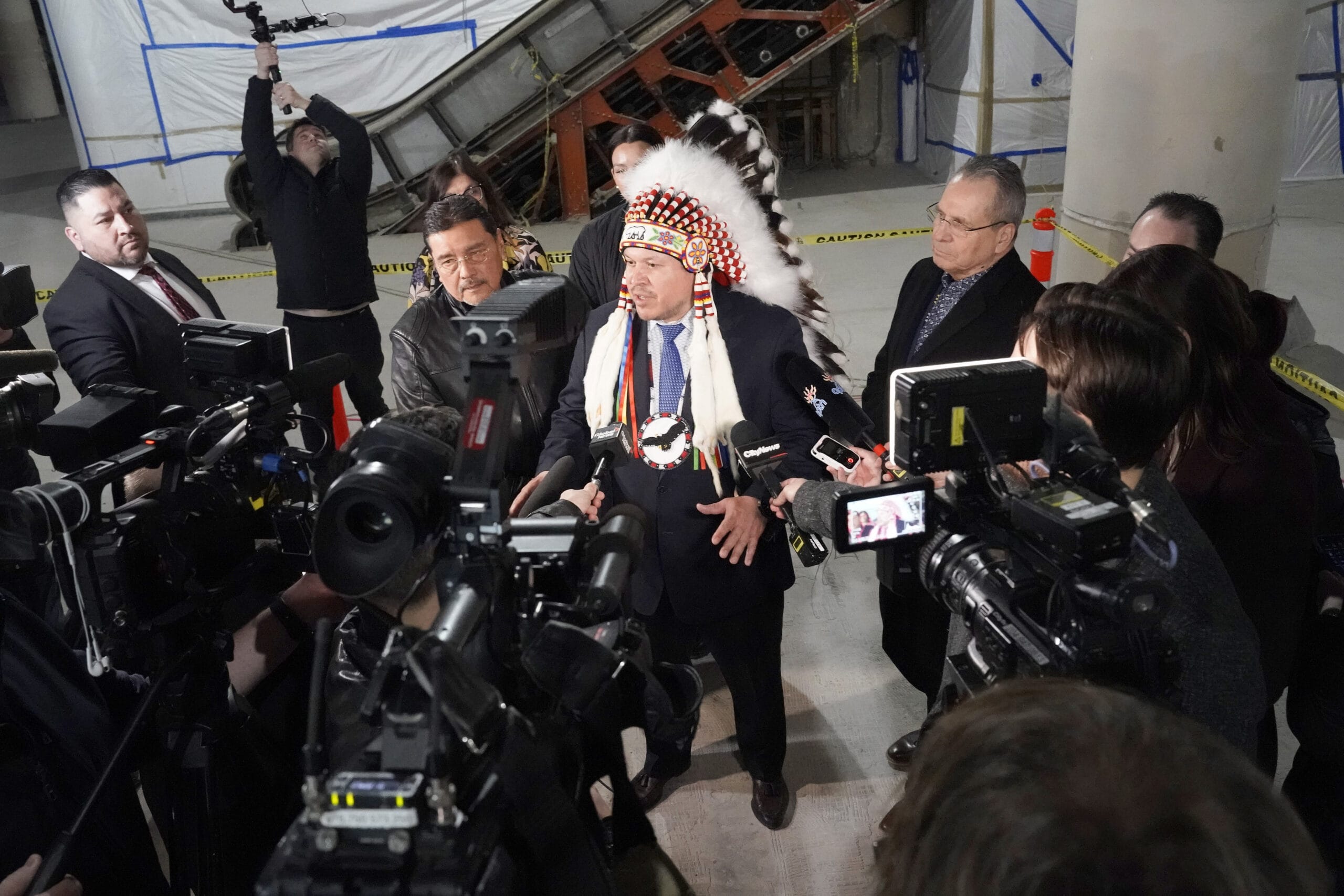
SCO represents 33 Anishinaabe and Dakota First Nations in what is now southern Manitoba. Browse our news archive and stay up-to-date on coverage of our work to protect, preserve, promote, and enhance the lives and rights of First Nations peoples.

Programs and Services
SCO works to protect, preserve, promote, and enhance the inherent rights, languages, customs, and traditions of Anishinaabe and Dakota citizens, by working in critical areas such as Child and Family Services, Health Transformation, Justice, Water and Environment, Harm Reduction, Jordan’s Principle, Crisis Response, Non-Insured Health Benefits, Status Card and IDs, and First Nations Veterans.
Education
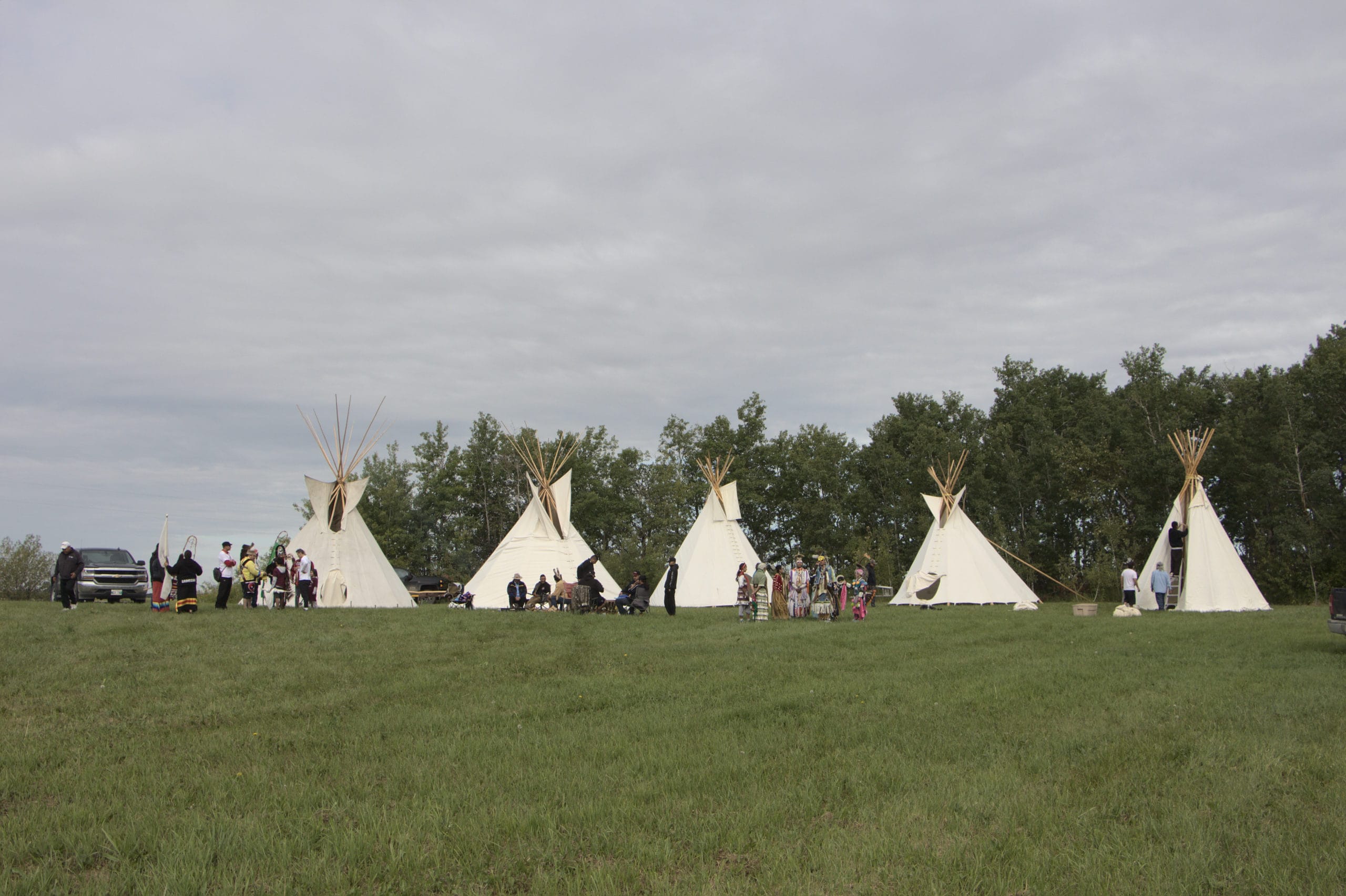
We compiled a comprehensive resource list to help you find financial supports for post-secondary education, including scholarships, bursaries, awards, and the Canada Learning Bond.
You can also access information on residential and day schools, the Sixties Scoop, MMIWG2S+, getting help on government programs and services, anti-racism, as well as information on how to get your benefits, and a curated list to read, watch, and listen!